
keshav memorial institute of technology
An Autonomous Institution - Accredited by NAAC with 'A' Grade
( Powered by GENESIS )




Interactive classroom teaching
Interactive classroom teaching at Keshav Memorial Institute of Technology (KMIT) is a modern approach aimed at enhancing the learning experience by promoting active participation from students. This method encourages engagement and collaboration, moving away from traditional lecture-based teaching. Here's how interactive classroom teaching might be implemented at KMIT
1. Use of Technology
• Smart Classrooms Equipped with projectors, screens, and interactive boards, smart classrooms allow faculty to present dynamic multimedia content like videos, animations, and live coding demonstrations, making learning more engaging.
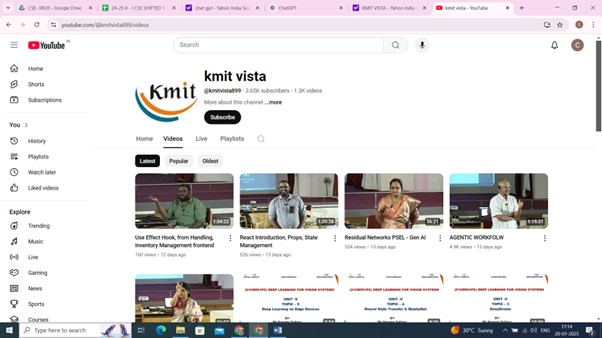
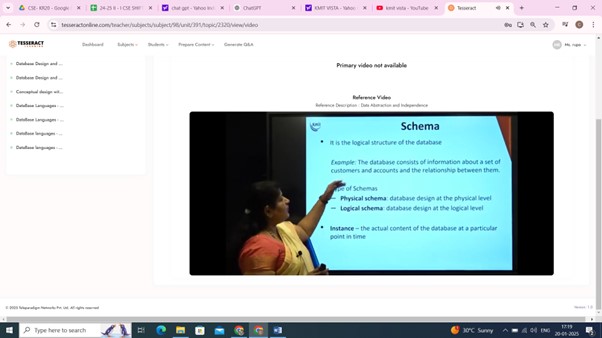
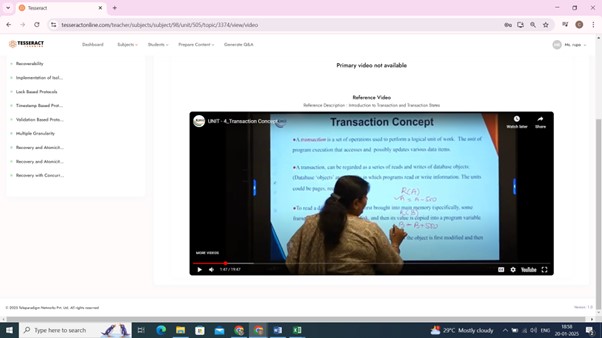
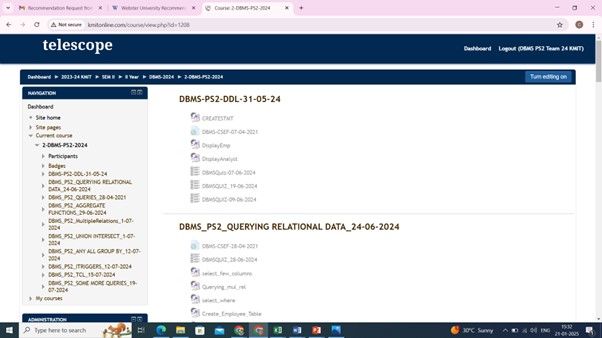
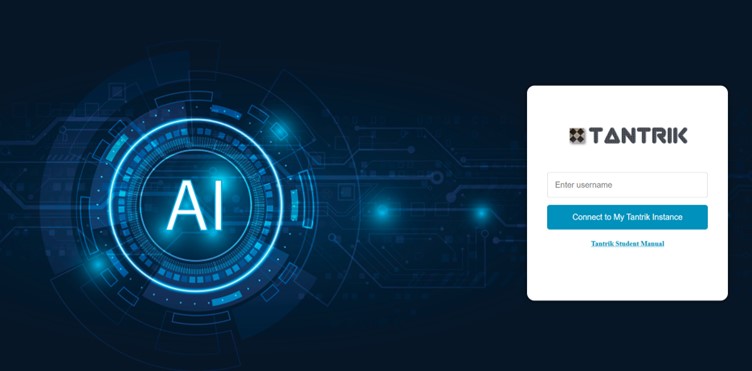
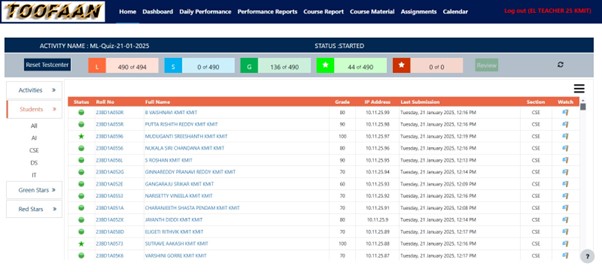
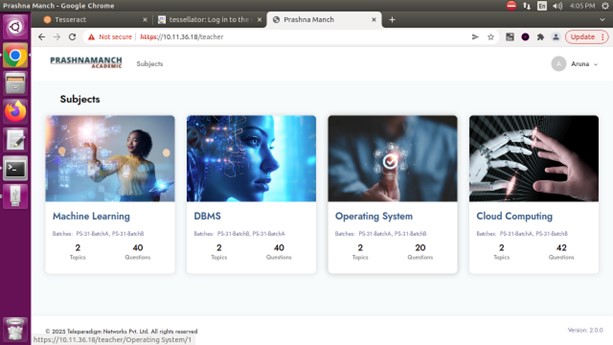
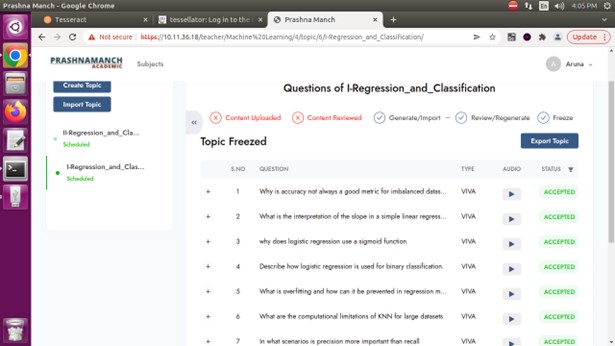
• Learning Management Systems (LMS) KMIT uses platforms like Tesseract, KMIT vista YouTube channel, Tessellator, kmitonline.com, Tantrik, Toofan, Prashnmanch or other LMS tools to share resources, track assignments, and engage students in discussions.
2. Active Learning Methods
• Case Studies Real-world examples and case studies are often used to relate theoretical knowledge to practical applications, enabling students to understand the relevance of what they are learning
• Problem-Based Learning (PBL): Students are presented with a problem and asked to find solutions collaboratively, enhancing their problem-solving and teamwork abilities.
3. Flipped Classroom
In a flipped classroom, students review learning materials (such as lecture videos or readings) outside of class and then engage in hands-on activities, discussions, and projects during class time. This promotes better retention of concepts and encourages peer-to-peer learning.
4. Interactive Assessments and Quizzes
Digital tools like Tessellator, Telescope, Toofan, Prashnamanch quizzes can be used to conduct interactive quizzes during lessons, helping students to test their understanding in real-time and get instant feedback
5. Industry Collaboration
KMIT might collaborate with industry professionals, offering guest lectures, workshops, or live projects that allow students to interact with experts and gain insights into current industry trends and challenges
6. Hands-on Practice
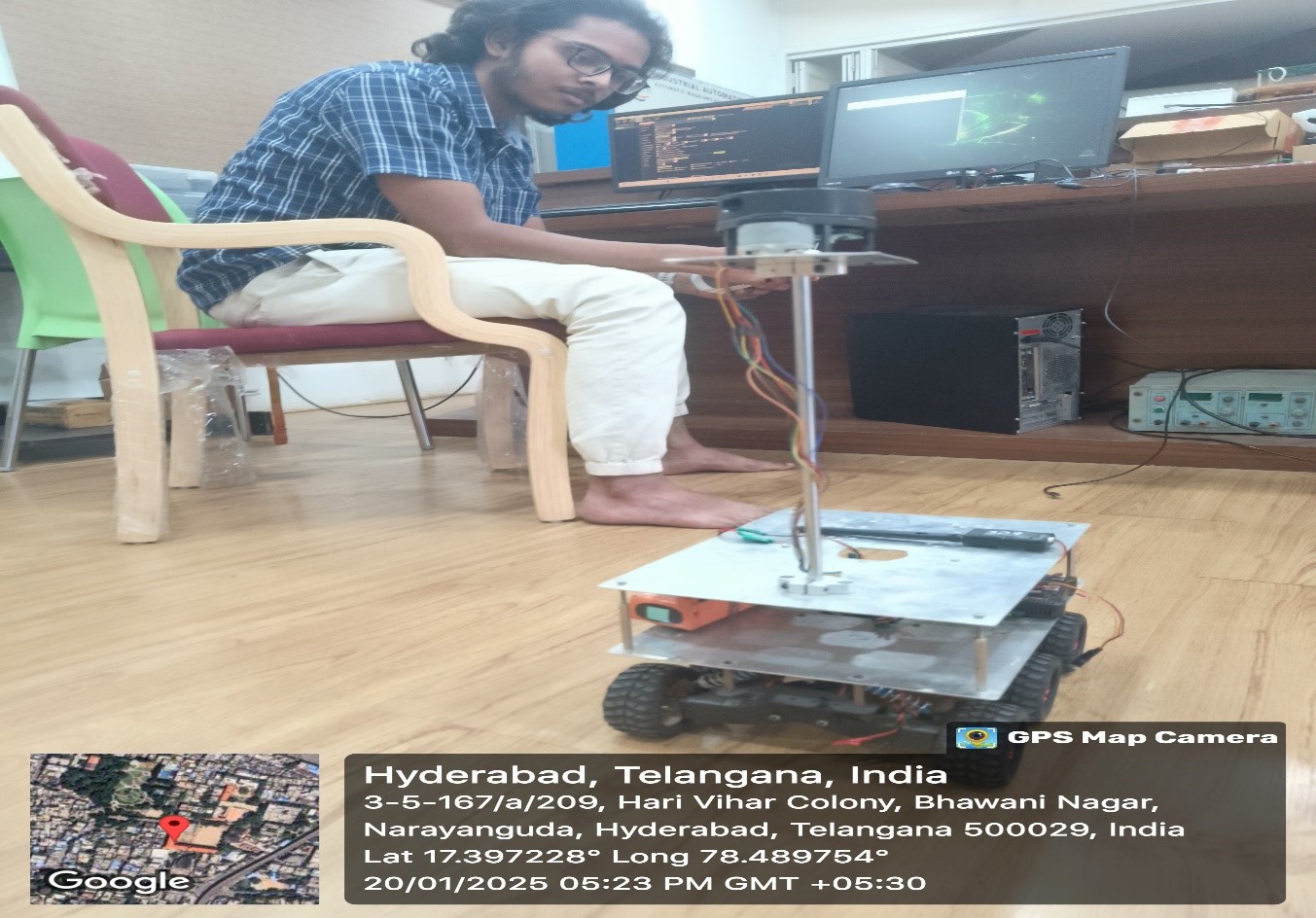
Labs and practical sessions are emphasized in KMIT’s teaching approach. Students are encouraged to work on real projects, experiments, or simulations, particularly in fields like Computer Science
Benefits of Interactive Classroom Teaching at KMIT:
• Enhanced Student Engagement: By actively involving students in the learning process, the classroom becomes a more dynamic and motivating environment
• Improved Retention: Interactive learning methods have been shown to improve long-term retention and understanding of concepts
• Better Communication and Collaboration: Students learn to work in teams, improving their collaboration and communication skills—valuable assets in both academic and professional settings.
Overall, interactive classroom teaching at KMIT aims to create an environment where students are not passive recipients of information but active participants in their learning journey.
7. Audio-Visual Centre:
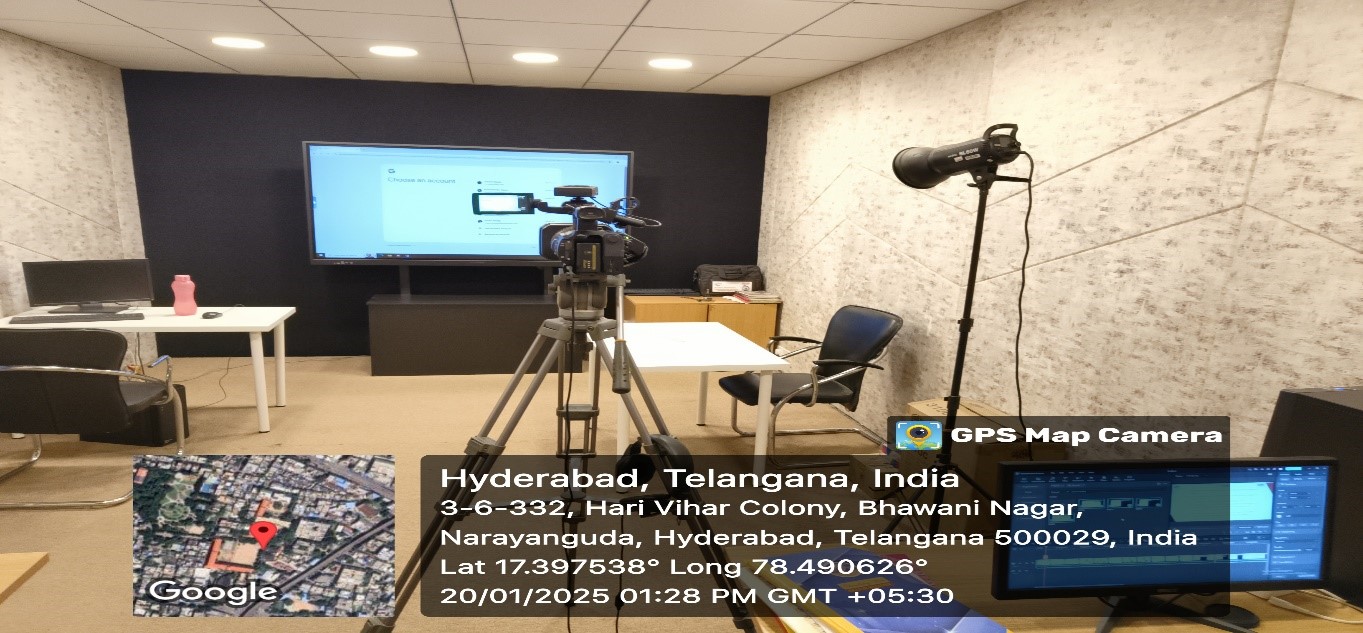
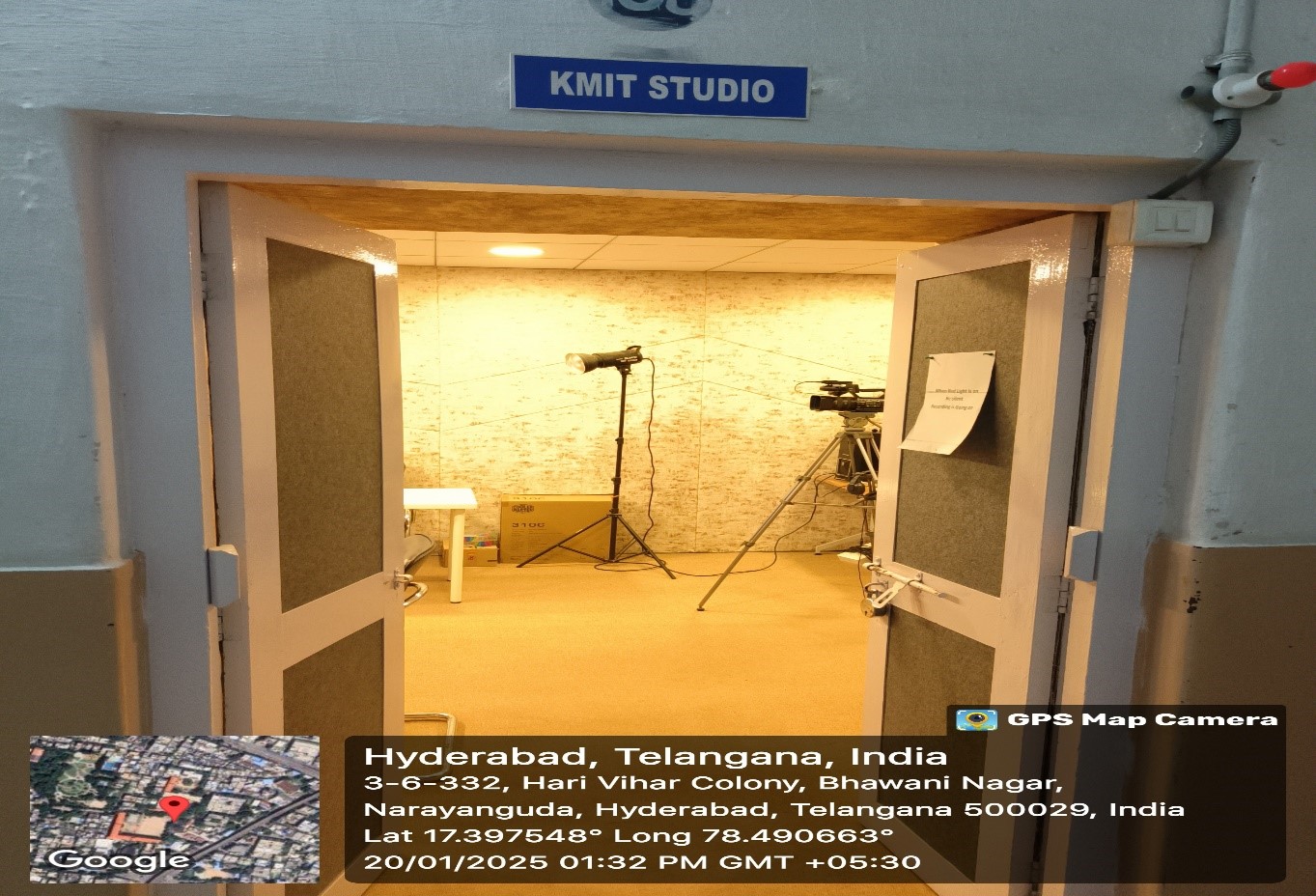
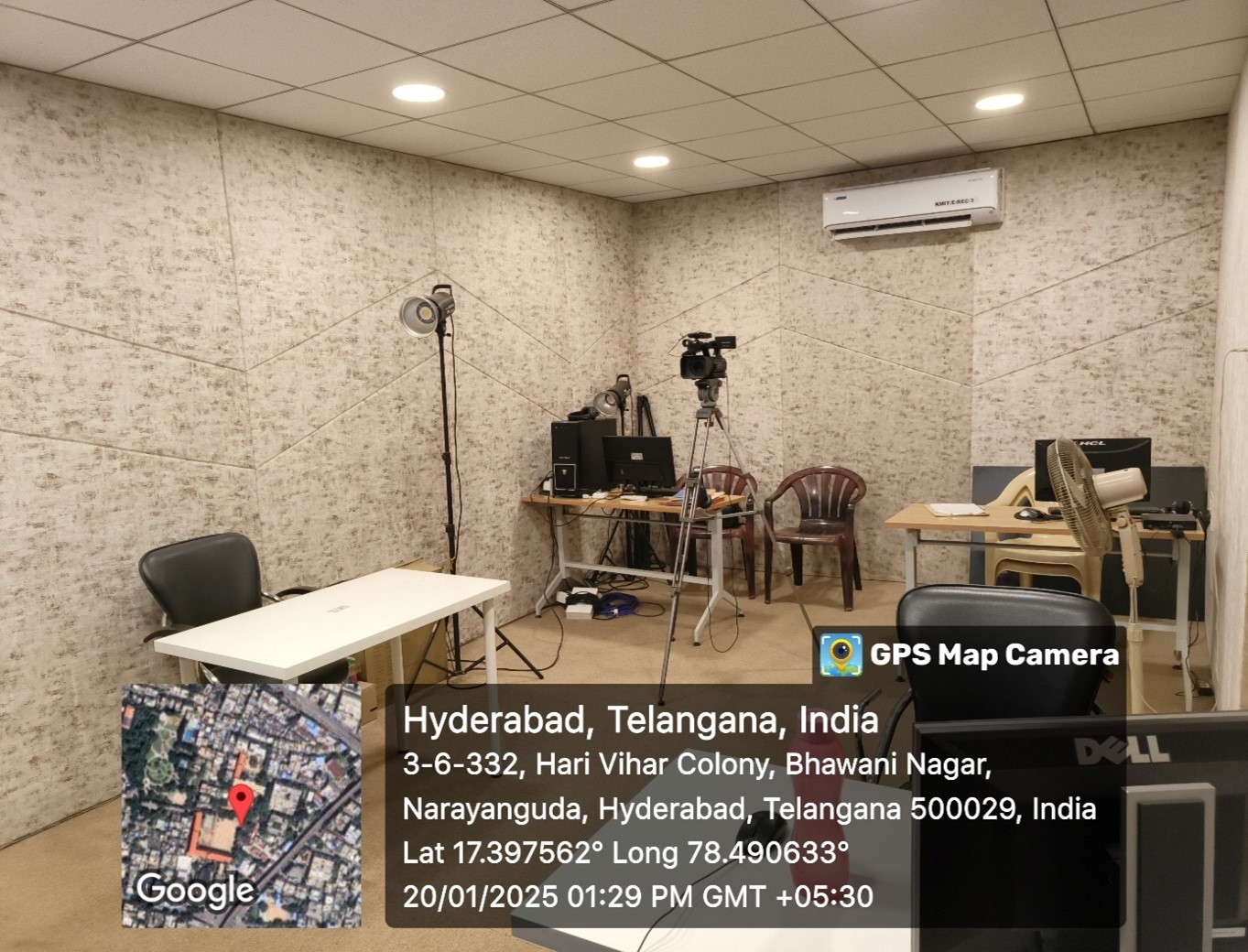
The Audio-Visual Centre at KMIT is dedicated to the creation and enhancement of audio and video content for educational purposes. It is equipped with advanced audio-visual technologies, making it an essential facility for creating professional-grade multimedia content. This facility is designed for both small-scale and large-scale production of e-content, from recording lectures to producing high-definition videos for online platforms.
Key features of the Audio-Visual Centre:• High-definition video cameras and microphones • Editing software for audio and video content • Studio space for recording and production • Technical support for troubleshooting and ensuring quality output • Equipment for live streaming and recording of events and lectures